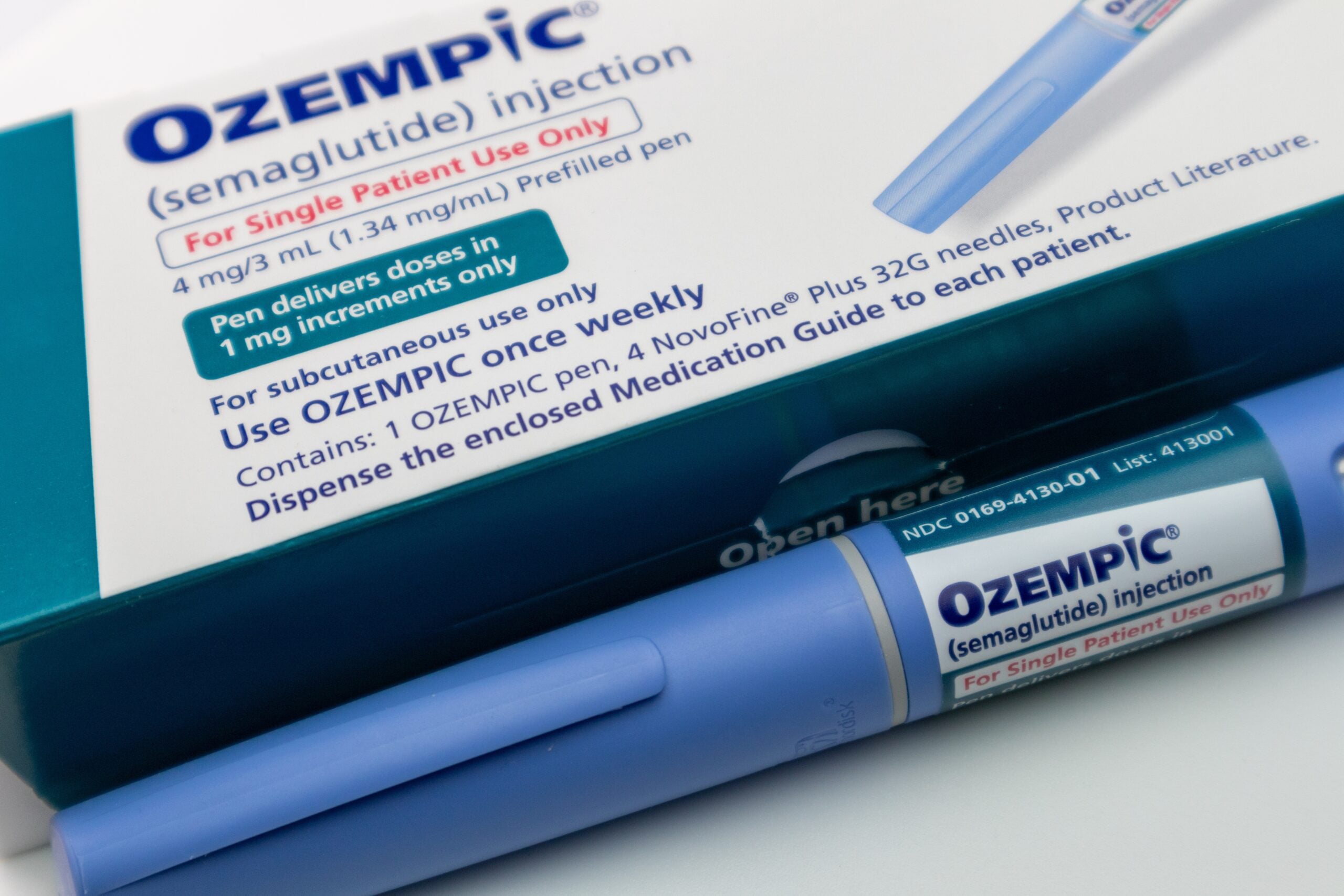
For millions of people living with Type 2 diabetes, medications like Ozempic and Rybelsus—both part of a drug class called GLP-1 receptor agonists (GLP-1RAs)—have been game-changers. Not only do these medications help manage blood sugar levels, but they’ve also become household names due to their weight loss effects. However, a recent study has raised serious concerns: Could these widely prescribed drugs be linked to an increased risk of thyroid cancer?
A new study published in JAMA Otolaryngology–Head & Neck Surgery says maybe—and the findings are worth paying attention to.
The Study at a Glance
Researchers analyzed a massive cohort of 351,913 adults with Type 2 diabetes and looked at how GLP-1 receptor agonist medications impacted thyroid cancer risk compared to other glucose-lowering drugs.
Here’s what they found:
-
In the first year of GLP-1RA treatment, patients had a 1.85 times higher chance of being diagnosed with thyroid cancer compared to those on other diabetes medications.
-
For those who had been on GLP-1RA medications for two or more years, the risk dropped but was still 1.27 times higher.
This was not a small sample. The study spanned multiple health systems and tracked patients over time, making the data more robust than a one-off clinical trial.
What Are GLP-1RAs and Why Are They So Popular?
GLP-1 receptor agonists mimic a hormone called glucagon-like peptide-1, which increases insulin secretion, slows gastric emptying, and reduces appetite. These effects help patients:
-
Lower blood sugar
-
Lose weight
-
Reduce cardiovascular risk
Drugs in this class include:
-
Ozempic (semaglutide, injectable)
-
Rybelsus (oral semaglutide)
-
Wegovy (semaglutide for weight loss)
-
Trulicity (dulaglutide)
-
Victoza (liraglutide)
Ozempic and Rybelsus, in particular, have skyrocketed in popularity not only for diabetes management but also for off-label weight loss.
Thyroid Cancer: A Silent Threat
Thyroid cancer is not the most common cancer, but it’s the fastest-growing cancer diagnosis in the U.S. over the last few decades. Most cases are papillary thyroid carcinomas, which are typically slow-growing and highly treatable, but that doesn’t mean it’s harmless.
Some thyroid cancers are more aggressive, harder to treat, and more likely to recur. Early diagnosis is key—but when medications you rely on for one health condition potentially increase the risk for another, it’s a tough pill to swallow (literally and figuratively).
Unpacking the Risk: What Does 1.85 Times Higher Actually Mean?
Let’s break this down.
-
A 1.85x risk means that during the first year of using a GLP-1RA like Ozempic or Rybelsus, people were 85% more likely to be diagnosed with thyroid cancer compared to peers on other medications.
-
After two or more years, the risk was still 27% higher than the baseline.
While the absolute risk is still relatively low, the relative increase is significant, especially considering the sheer number of people using these drugs today.
What Could Be Driving the Increased Risk?
There are a few possible mechanisms, though none are definitively proven:
1. Thyroid C-cell Activation
GLP-1 receptors are found in C-cells of the thyroid. In rodent studies, GLP-1RAs have been shown to stimulate these cells and cause C-cell tumors. This is why Ozempic and similar drugs carry a warning label about a possible thyroid tumor risk.
But here’s the kicker: This risk was primarily seen in rats and mice, not humans—until now, that is.
2. Chronic Stimulation of Hormones
These drugs affect multiple hormone pathways that could contribute to proliferation of thyroid cells or alter cellular metabolism, leading to an environment where cancer is more likely to develop.
3. Detection Bias
Another possibility is that people starting new medications like Ozempic may receive more frequent lab work and imaging, which could lead to incidental findings of thyroid cancer that otherwise might have gone unnoticed for years.
What Do the Experts Say?
Dr. Karlyn Martin, one of the study’s authors, emphasized that the findings do not prove causation. Instead, they suggest a potential association that requires further investigation.
“Our study adds to the growing body of literature suggesting caution and further research is needed,” she said. “We’re not recommending that patients stop using these medications, but that prescribers and patients be aware of this possible risk—especially in those with pre-existing thyroid abnormalities.”
Dr. Robert Lustig, a prominent endocrinologist not associated with the study, noted:
“GLP-1 drugs are effective, but they’re not magic. There’s always a trade-off, and this study is a reminder that we don’t fully understand all the long-term effects yet.”
Should You Stop Taking Ozempic or Rybelsus?
Short answer: No—not without talking to your doctor.
Here’s why:
-
The absolute risk of developing thyroid cancer is still low.
-
For many people, these medications dramatically improve blood sugar, reduce cardiovascular risk, and promote weight loss, which can be life-saving.
-
Risk vs reward needs to be carefully considered, especially for those with obesity, uncontrolled diabetes, or metabolic syndrome.
But…
If you have a family history of thyroid cancer, thyroid nodules, or other endocrine disorders, it may be worth having a serious conversation with your healthcare provider about alternatives.
Alternatives to GLP-1RAs
If you or your doctor are concerned about this potential risk, there are other classes of medications for managing Type 2 diabetes:
-
SGLT2 inhibitors (e.g., Jardiance, Farxiga)
-
DPP-4 inhibitors (e.g., Januvia)
-
Metformin (still the gold standard)
-
Insulin therapy
-
Lifestyle interventions like medically supervised weight loss programs
Each comes with its own risk/benefit profile, so it’s not about finding a perfect drug—it’s about finding the right one for your personal health profile.
Monitoring Your Thyroid: What to Watch For
If you’re currently taking a GLP-1RA, here are some symptoms to look out for:
-
A lump in the neck or throat
-
Hoarseness
-
Difficulty swallowing
-
Persistent cough (not related to illness)
-
Swollen lymph nodes
-
Unexplained weight loss (beyond what’s expected from the medication)
If you notice any of these symptoms, schedule an ultrasound or thyroid panel right away.
Is This Just a Blip—or a Bigger Trend?
This isn’t the first time GLP-1 drugs have been scrutinized for cancer risk. Past concerns included:
-
Pancreatitis and pancreatic cancer
-
Gallbladder issues
-
Kidney injury
Regulators like the FDA and European Medicines Agency (EMA) have required post-marketing surveillance and black box warnings on these medications, especially around thyroid cancer in animal studies.
But now, the narrative is shifting to real-world human outcomes, and this latest study could fuel deeper investigations, long-term cohort studies, and possibly regulatory changes.
The Weight Loss Boom and Public Perception
Let’s not ignore the elephant in the room: Ozempic isn’t just a diabetes drug anymore. It’s being prescribed off-label to non-diabetics for weight loss—and aggressively marketed by influencers and celebrities.
This raises critical questions:
-
Are non-diabetic patients being warned about possible cancer risks?
-
Is the enthusiasm for rapid weight loss overshadowing careful risk assessment?
-
Could widespread casual use lead to larger public health consequences down the road?
The Bottom Line: Balance, Awareness, and Action
This study is not a reason to panic—but it is a reason to pause and think.
If you’re on a GLP-1RA medication like Ozempic or Rybelsus, don’t stop cold turkey—but do have a conversation with your doctor about your risk profile, especially if you have thyroid issues.
Here’s what you can do right now:
-
Review your family medical history, especially for thyroid disorders or cancers.
-
Ask for a baseline thyroid panel and neck ultrasound if you’ve just started GLP-1RA therapy.
-
Monitor for any symptoms, especially in the first year.
-
Balance your sources of information—what works for a celebrity on Instagram may not work for your biology.
-
Report any side effects to your doctor and, if needed, to the FDA’s MedWatch program.
Final Thoughts
We’re in a golden age of pharmaceutical innovation—but also in an era where speed to market often outpaces long-term safety data. The GLP-1 class of medications has revolutionized diabetes care, but it’s becoming increasingly clear that no medication comes without trade-offs.
This latest study doesn’t mean we throw out Ozempic and Rybelsus—it means we get smarter, more cautious, and more transparent.
Because when it comes to your health, informed decisions are the best kind.
You May Also Like:
GLP-1 Receptor Agonists: No Magic Bullet
The Case Against Colonoscopies: My Medical Nightmare
7 Reasons to be Consuming Coconut Oil You May Not Know