I just got back from the TYR Futures Championships, and I’ll be honest with you—I was floored. Not by the incredible young athletes. Or the volume of heats they endured. Not even by the passion in the stands. What shocked me was how far behind the sport of swimming is when it comes to understanding and implementing recovery and performance science.
I set up PlayMakar Athlete Services on-site, bringing some of the best recovery tools available—Far-Infrared Sauna, Red Light Therapy, Pneumatic Compression, Phase Change Cold Therapy, and our MVP Mini for vibratory fascia activation. I watched exhausted swimmers walk into our recovery zone, looking like they’d been through battle, and walk out looking like they had life back in their limbs.
But what truly stunned me? Only six coaches and two college recruiters stopped by to learn what we were doing.
That’s when it hit me:
The swimming world is not just behind. They’re in a time warp.
A Sport Stuck in the Past
Swimming is a sport built on tradition. And while there’s beauty in that, there’s also a serious downside. The current culture rewards endless yardage, two-a-days, early mornings, and mental toughness—without offering a fraction of the recovery support needed to survive it.
It’s no wonder we’re seeing:
- Burnout by age 17
- Chronic dehydration
- Repetitive use injuries
- Poor sleep
- Under-fueling
And somehow, we’re okay with this? Because it’s always been done this way?
Let me be blunt: this is outdated thinking that’s costing our athletes their health, their longevity, and their love for the sport.
The Reality of High-Level Youth Swimming
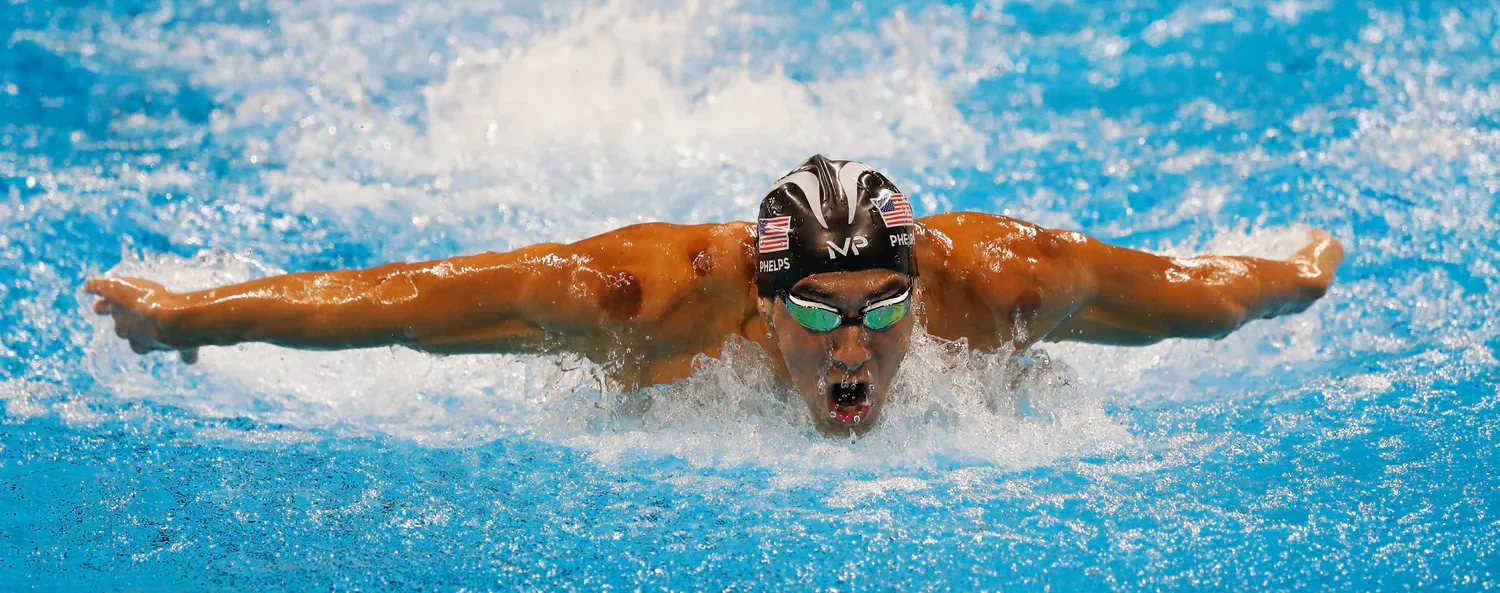
These swimmers—aged 13 to 20—were pushing their bodies through 6 to 8 heats across multiple days at TYR Futures Championships with almost no recovery tools or strategies in place. They were redlining their nervous systems, burning through muscle glycogen, breathing in chloramine-rich air (a.k.a. “chlorine cough”), and coming back for more without addressing any of the systemic inflammation, tissue stiffness, or central nervous system fatigue.
We used the following tools at TYR Futures Championships:
- Far-Infrared Sauna: pre-race to boost circulation and post-race to reduce inflammation.
- PlayMakar MVP Mini: to hydrate and activate fascia, increase range of motion, and loosen joints.
- Red Light Therapy: to repair tissue at the cellular level and bring inflammation down.
- Phase Change Cold Therapy: for safe cooling of the CNS without shock.
- Pneumatic Compression Sleeves: to flush out metabolic waste and speed recovery.
This wasn’t luxury. It was a necessity.
And the athletes felt it. Parents noticed it. Some swimmers even came back and told us they had their best race after using the PlayMakar Recovery Zone.
So why are we still treating recovery like a spa day instead of a performance imperative?
What Parents Need to Know
If you’re a parent reading this, you are your swimmer’s greatest asset. You already invest in coaching, travel, gear, nutrition—but if you’re not investing in recovery, you’re leaving your swimmer vulnerable.
Here’s what you can do right now:
- Ask better questions.
- “How did you sleep last night?”
- “Are your legs still sore from yesterday?”
- “How’s your breathing after practice?”
- Create a recovery routine at home.
- MVP Mini for post-practice fascia hydration
- Red light or FIR therapy before bed
- Proper hydration + electrolytes
- Challenge old-school thinking.
- If a coach shrugs off soreness, sleep issues, or constant fatigue, it’s okay to speak up and send him this article.
- Support their nervous system.
- More isn’t better. Smarter is better. Help them understand the difference.
What Coaches Can Start Doing
Coaches—I get it. You were taught discipline, volume, and mental toughness. That got you where you are. But the science has changed. The performance world has evolved.
And swimming is falling behind.
You don’t need to throw away what works. But you do need to add what’s missing:
- Structured recovery protocols
- Education on CNS fatigue and fascia health
- Partnerships with recovery professionals
- Post-practice strategies that help—not harm
What happens if we keep doing what we’re doing?
We’ll continue to lose athletes to injury, burnout, and mental fatigue. We’ll continue to fail in preparing them for the demands of college-level and elite swimming.
And that’s on us.
What USA Swimming Needs to Do
It’s time for leadership. USA Swimming should be the standard-bearer.
Here’s what USA Swimming Can Do to Make Things Better:
- Develop a National Recovery Protocol Standard
- Just like there are standards for training, dryland, and technique.
- Create Coach Education Modules on Recovery
- Required for certification. Cover fascia science, CNS balance, hydration, and modern tools.
- Include Recovery Zones at Major Meets
- Not just massage tables. Full-stack recovery: compression, red light, cold therapy, infrared.
- Normalize Tech-Enhanced Recovery
- Encourage use of Class II and Class IV lasers, salt therapy, wearable data tracking, and more.
- Protect Young Athletes from Outdated Protocols
- Phase out volume-only training. Embrace recovery as the foundation of longevity.
Normal is Not Normal Anymore
What I witnessed at TYR Futures Championships was both inspiring and frustrating. The talent, the heart, the drive—these athletes have it in spades. But we’re sending them into battle without armor. Without a shield. Without the tools they need to truly thrive.
The Recovery Zone we set up wasn’t a gimmick. It was a glimpse of what’s possible when we take athletes seriously—not just as performers, but as humans.
If you’re a parent: keep leading. A coach: get curious. If you’re part of USA Swimming: let’s build something better.
The future of swimming depends on it.
You May Also Like:
Why Manipulation is Key to Rehydrating Fascia
Why Young Athletes Must Prioritize Training Stabilizer Muscles
Potential Dangers of Cryotherapy for Young Women